“Putin fears him.” Zelenskyy courts Trump, dismisses Biden in viral Fridman interview
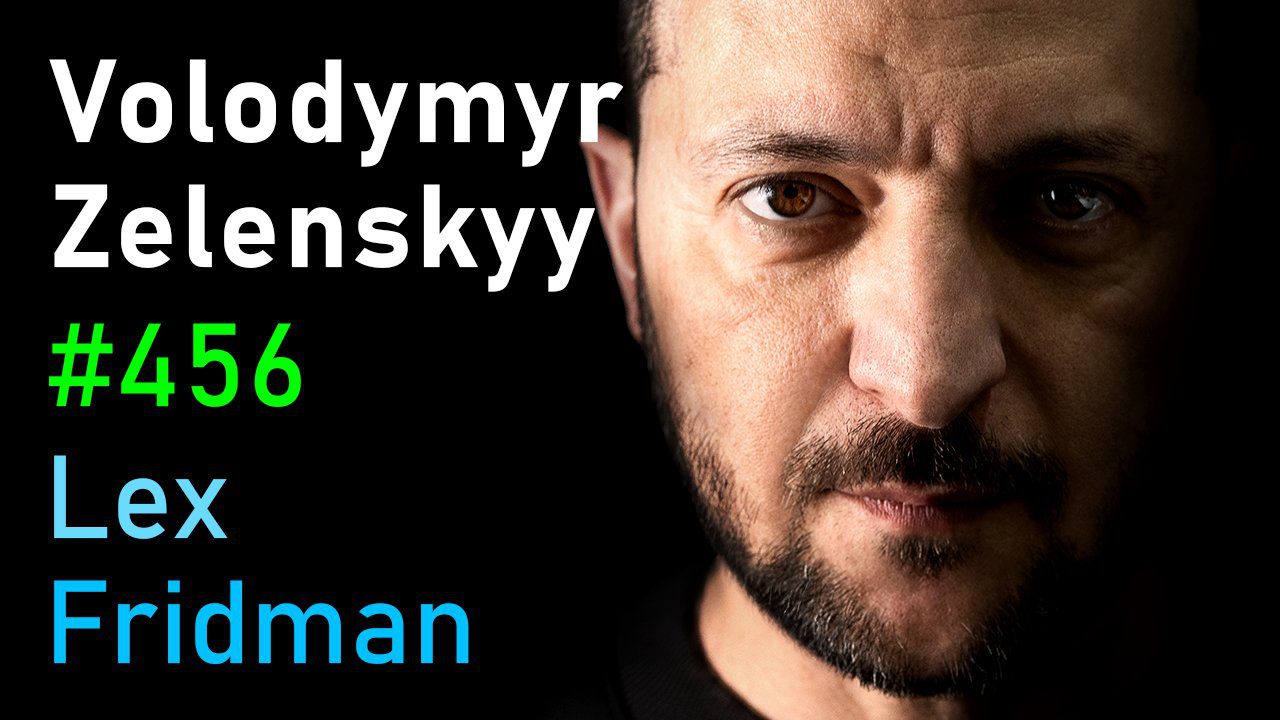
When Lex Fridman sat down with Volodymyr Zelenskyy in Kyiv, language became the first battleground. Fridman – whose podcast interviews with Elon Musk, Mark Zuckerberg, and Argentina’s president Javier Milei have earned him 4.5 million YouTube subscribers – suggested they speak Russian. Zelenskyy refused.
The choice wasn’t surprising, given Fridman’s controversial stance on the war. Despite his Ukrainian-Jewish roots, his interviews with academics John Mearsheimer and Jeffrey Sachs, who blame NATO expansion for Russia’s invasion, have raised eyebrows in Ukraine. His unreleased 2022 interviews with Ukraine’s Digital Minister and a prominent war journalist only deepened the suspicions.
The three-hour conversation that followed, mostly in Ukrainian with switches to English and Russian, revealed Zelenskyy’s clear message about national identity.
“We’re not one nation. We’re not one country. We are different countries,” he stated.
The interview stirred Ukrainian media for two reasons: Zelenskyy’s warm embrace of Trump while dismissing the Biden administration and Fridman’s persistent calls for reconciliation with Russians – an idea many Ukrainians found both premature and impossible.
Zelenskyy adapted to “Trump’s world”
The most meaningful part of the interview emerged when Zelenskyy navigated the delicate balance between Trump and Putin. While praising one and condemning the other, he outlined a careful approach to potential peace talks. The Ukrainian president envisioned meeting with Trump but firmly ruled out three-way negotiations, including Putin.
“If Trump offers strong security guarantees for Ukraine, then we can talk with Russians… But only in this sequence, not by immediately sitting down all together,” he explained.
In discussing Trump’s potential role, Zelenskyy displayed both hope and strategic flattery. He suggested ending the Ukraine war would be a defining achievement for Trump’s potential second term, emphasizing the former president’s unique position.
“Trump can stop Putin because Putin fears him. That’s a fact,” he stated bluntly.
Yet Zelenskyy immediately raised concerns about long-term security, questioning what might happen after Trump’s term ends – would Ukraine face destruction in year five?
His assessment of Putin mixed warning with calculation, describing him as a killer but emphasizing that “he’s not a fool.” Any pause in fighting, Zelenskyy suggested, would simply give Russia time to regroup and learn from its mistakes.
Politico Europe’s Veronika Melkozerova captured the subtext of these diplomatic maneuvers.
“He’s accurately captured what Trump’s world will look like – an alpha world where men in suits carefully stroke each other’s egos,” she wrote, pointing to the personal politics that could shape future negotiations.
Zelenskyy opens door for Trump to target Biden
The discussion shifted to a sensitive topic when Zelenskyy addressed allegations of wartime profiteering. Responding to concerns about corruption – which Fridman noted were shared by Trump and Musk – Zelenskyy was direct: Ukraine received weapons, not money, and they kept tight control over both.
He then made what appeared to be a calculated revelation about aid delivery: they were refused when Ukraine proposed using its own cargo planes to transport US military assistance.
“We could have received more weapons, but we had to pay for these very expensive planes. My question is: is this corruption or lobbying?” Zelenskyy asked, noting he had avoided raising this issue earlier to prevent diplomatic friction.
Victor Shlinchak, founder of the Institute of World Policy, sees Zelenskyy’s comments as potential ammunition for Trump. He pointed to a recent gathering at Trump’s Florida residence, where Italian Prime Minister Meloni and others watched a documentary titled The Eastman Dilemma: Lawfare or Justice? about Trump’s legal battle over the 2020 election results.
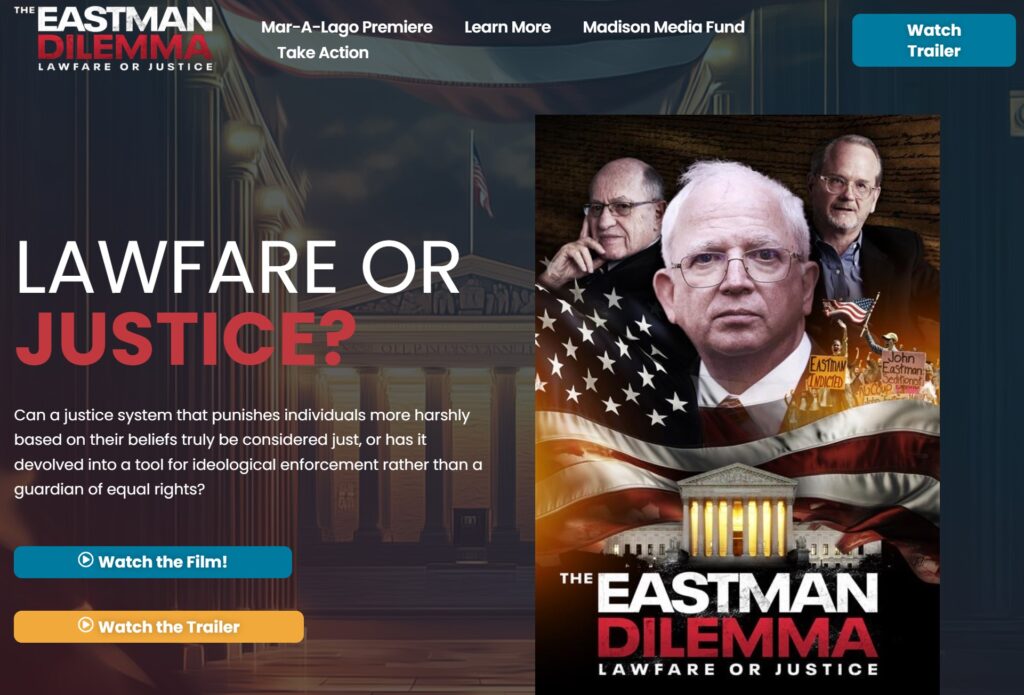
Trump continues to believe the 2020 election was stolen, a grievance that remains fresh. The expert suggests that Trump will likely “catch up with” those involved.
“Zelenskyy has now offered Trump’s team leverage by raising questions about ‘lobbying’ and ‘corruption’ in weapons delivery. This clearly casts a shadow on the outgoing administration.” Shlinchak noted.
Strong words spark debate over diplomatic tone
Zelenskyy’s use of strong language in the Fridman interview sparked a debate in Ukrainian political circles, particularly when discussing international security commitments and the lead-up to Russia’s invasion.
Discussing the Budapest Memorandum – the 1994 agreement where Ukraine gave up its nuclear weapons in exchange for security assurances from the US, UK, and Russia – Zelenskyy didn’t hold back.
“Did anyone show up for consultations when our territory was violated? No. Did anyone respond to official letters? No. Why? Because they didn’t give a damn,” he said bluntly, challenging all signatory nations.
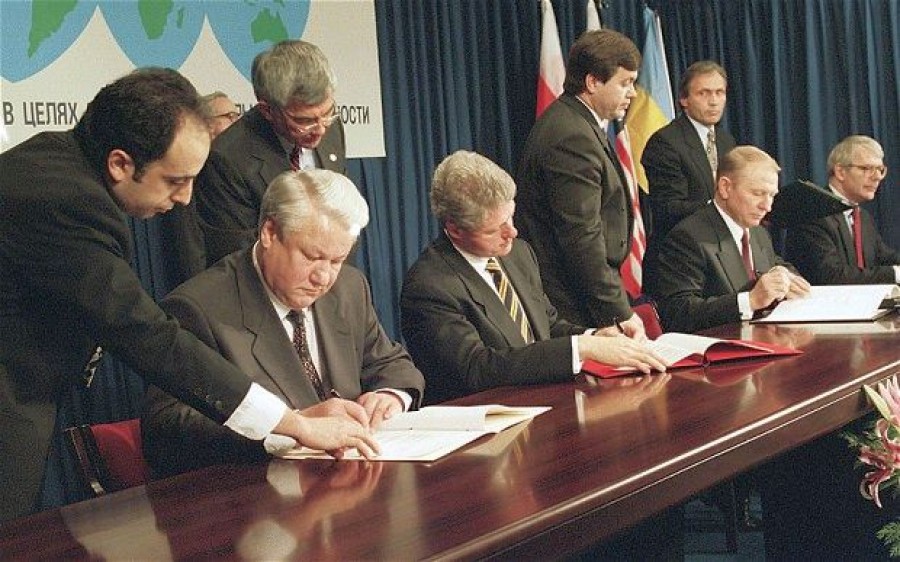
His strongest criticism was directed at the Biden administration’s pre-invasion stance, which might be strategically timed.
“If you’re sure an invasion is coming, strengthen us with weapons, but most importantly, create conditions to prevent war. Scare Putin. Don’t say, “If he invades, if he starts killing, we will impose sanctions.” That’s bullshit,” Zelenskyy declared, using an even stronger Russian expletive in the original.
Opposition MP Volodymyr Ariev criticized the president’s tone as “very ‘Russian.”
“Using profanity against the backdrop of state symbols shows desperation rather than strength,” he noted.
However, information security expert Natalia Zubar defended it.
“Calling bullshit “bullshit” – there’s even a course for that at American universities. “Profanity” is a Soviet construct incompatible with freedom of speech,” she wrote.
Fridman pushes for compromise, Zelenskyy pushes back
Fridman repeatedly steered the conversation toward compromise throughout the interview, leading to several tense exchanges.
In discussing security guarantees, Zelenskyy’s frustration with the outgoing Biden administration was explicit.
“With all due respect to the United States, I don’t want a repeat of what happened with Biden. I’m asking for sanctions now, weapons now, and then we’ll see if the Russians begin a new offensive,” he stated.
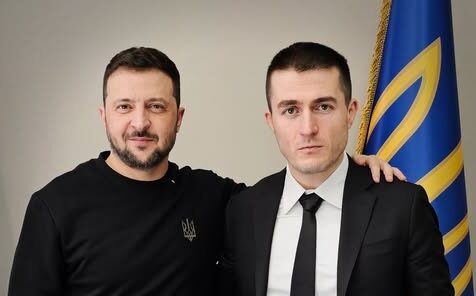
Fridman argued that sanctions would antagonize Putin and pushed for a compromise. Zelenskyy’s response was sharp: Putin, a mass murderer, walking free is already a compromise. He then addressed NATO membership with a nuanced position: Ukraine should join NATO as a whole country but with security guarantees initially applying only to unoccupied territories.
“Is the word NATO bothering Putin? Is the issue with the word itself? But it seems to me that what really irritates him is the living people walking around here,” Zelenskyy said, referring dismissively to Putin as “Uncle Vova.”
When Fridman suggested this attitude would make negotiations impossible and urged viewing Putin as a serious leader “who loves his country,” Zelenskyy pointed to the hundreds of thousands of Russian soldiers sent to their deaths.
Ukrainian theater director Yevhen Stepanenko highlighted this pattern in Fridman’s approach.
“The constant talk about “peace” and reconciliation was the refrain of his questions. Not about winning, not about punishing evil, not about accountability, but about reconciliation,” he wrote.
A tale of two audiences: Ukrainian pain vs American politics
The interview took personal turns when Fridman asked about Zelenskyy’s family history. The Ukrainian president spoke about his grandfather, a Soviet infantry soldier in World War II who received over 30 awards.
“His brothers—his whole family—were executed by the fascists. His father was shot and buried in a mass grave. Four brothers went to war. He was the only one with military education, and the only one who returned,” Zelenskyy shared.
When discussing the Ukrainian city of Odesa, Zelenskyy highlighted its unique character and resilience under Russian attacks. However, journalist Tatiana Nikolaienko from Censor.NET felt the conversation missed crucial aspects of wartime suffering.
“The Americans should have felt our pain through stories like the Glodan family, where the wife and child died, and the husband was later killed on the frontlines, or the Haydardzhi family, where a mother and son were killed in their sleep by a Russian Shahed,” Nikolaienko wrote, citing specific families in Odesa torn apart by Russian strikes.
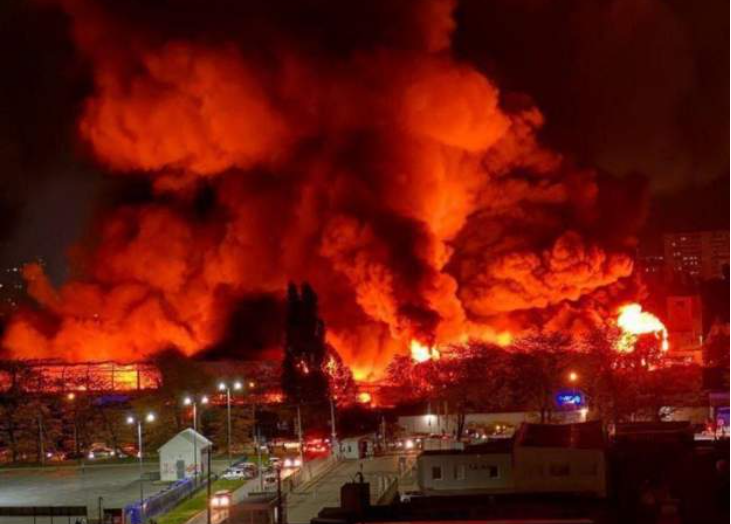
Yet the interview’s impact seemed to align with its intended audience. It quickly gained traction in American social media circles, with even Elon Musk sharing it without his usual criticism.
“This wasn’t meant for the Ukrainian audience but for Trump and his circle. That’s the world of Trump, which could determine everything for us this year,” New Voice’s journalist Kristina Berdynskykh noted.
International relations expert Oleksandr Kraiev agreed.
“Both the style and delivery method clearly indicate the desire to reach Trump’s audience, even its more skeptical segments. The strategy appears to be working,” he wrote.
****
One key tension throughout the interview was the very possibility of negotiations. While Zelenskyy insisted that Putin could be forced to negotiate but wasn’t willing, Fridman maintained that Putin was ready to talk. Otherwise, he argued, Trump wouldn’t discuss ways to end the war.
The conversation did yield unexpected revelations. Zelenskyy shared that Belarus leader Lukashenko called him in the early days of the invasion, apologizing for Russia’s use of Belarusian territory. “Volodya, it wasn’t me!” he allegedly said. Zelenskyy’s response was blunt: Lukashenko was complicit anyway.
The interview’s reception in Ukrainian media circles remained mixed. Political scientist Volodymyr Kulyk questioned why a president should spend time with “a biased podcaster,” even while acknowledging Zelenskyy handled it well. However, as journalist Tetiana Danylenko noted, this is the new reality of political communication.
“The podcast’s production value is impressive – AI features, voice technology, translations, the interviewer’s charisma,” Danylenko wrote. “Zelenskyy fit naturally into this format. But there’s something absurd about it all – a president of a country at war having to perform these new media rituals, pulling rabbits out of hats. It’s exhausting, but these are the rules of survival now.”
The interview’s significance lies less in its content than in what it represents: the growing importance of new media platforms in shaping international opinion, particularly when trust in traditional media is waning. Whatever one thinks of Fridman, his podcast offered direct access to a crucial audience.
Read more:



About The Author